What’s Next for Literacy Instruction in Tennessee?
September 23, 2026
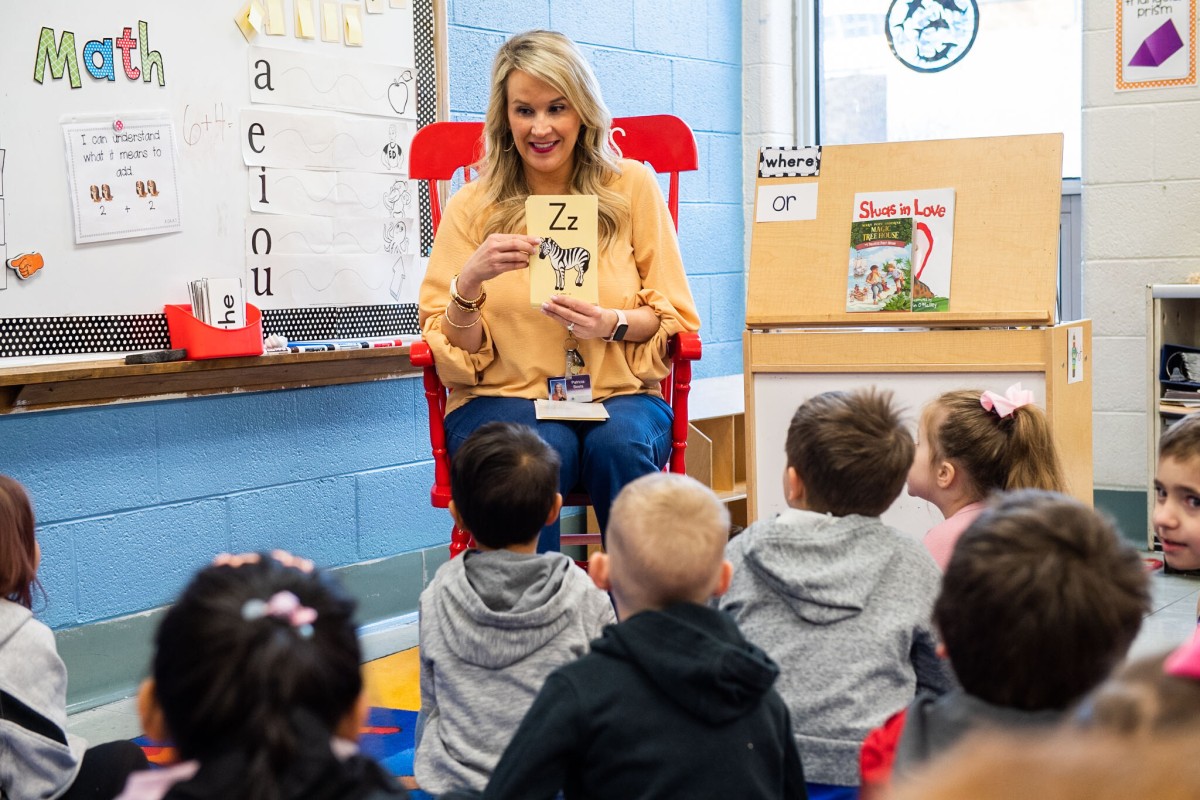
A recent Wall Street Journal article highlighted how Tennessee, once a low-performing state in reading, is improving student outcomes through high-quality instructional materials and sustained support for educators.
According to the Education Scorecard, a collaboration between research centers at Harvard University and Stanford University that enables comparisons of student achievement across states, Tennessee ranked fourth among 35 states in reading gains from 2022 to 2025. State assessment results also show that the percentage of students meeting or exceeding expectations has steadily increased since 2019.
The progress is inspiring, but Tennessee’s work is not finished. With many students still not reading at grade level, the state must build on its momentum and expand effective literacy instruction to more classrooms.
NIET has supported Tennessee districts through the Tennessee Literacy Implementation Network, helping educators use high-quality English language arts materials while building stronger systems for collaboration, coaching and professional learning.
That foundation continues through the Early Literacy Implementation Network. Now in its third year, the initiative helps district and school leaders recognize strong literacy instruction, identify areas for improvement, and provide teachers with feedback they can immediately apply in their classrooms.
Early literacy learning walks are a central part of the work. Three times each year, NIET specialists, Tennessee Department of Education staff, and district teams visit classrooms and gather evidence about instructional practices. They then work together to identify strengths, establish priorities, and develop actionable feedback for teachers.
Regional convenings, virtual sessions for instructional leaders and teachers, asynchronous modules, and individualized implementation support also help districts translate what they observe into stronger daily instruction.
Literacy Leadership in Action
This emphasis on using evidence to strengthen instruction can be seen at Clinton City Schools’ South Clinton Elementary, where leaders are using student data to provide targeted support for young readers.
Principal LeighAnn Breeden and her Instructional Leadership Team identified the number of K-2 students requiring Tier 2 or Tier 3 reading interventions as a schoolwide concern.
“We know that if [students] don’t get those foundational skills in the primary grades, it’s very hard for them to catch up once they move into the intermediate grades,” Breeden said.
The team examined schoolwide trends and individual student needs, then set a goal of reducing the number of students requiring reading intervention by 5% by December. The school reached that goal by September. Encouraged by the early progress, the team raised its target to 10% and achieved it by December.
The progress also reflects a broader shift in how the school approaches instructional leadership and professional growth. Breeden said NIET’s support has helped create a culture in which educators view coaching as a valuable opportunity to improve rather than a punitive measure.
“It’s just part of who we are, and this is what we do because our kids deserve it,” Breeden said.
Building the Momentum
The initiative’s early results and participant feedback led the Tennessee Department of Education to extend the original two-year partnership for two additional years. Participation also doubled from eight districts to 16, expanding the network into communities where NIET had not previously worked.
As part of that expansion, participating districts receive three on-site coaching and support days tailored to their needs. These visits allow NIET specialists to help leaders act on findings from the learning walks, address local challenges, and sustain improvements throughout the school year.
Tennessee’s literacy gains demonstrate what is possible when strong instructional materials are paired with sustained support for educators. The next step is to bring that progress to even more teachers and students, turning the state’s literacy momentum into sustainable, statewide improvement.